


In The Spotlight

Cisco, a global technology leader driving innovation in AI-powered digital infrastructure, has announced plans to build sovereign AI infrastructure in Qatar.
Cisco, a global technology leader driving innovation in AI-powered digital infrastructure, has announced plans to build sovereign AI infrastructure in Qatar.
This strategic endeavour is partnered with Mannai Corporation QPSC, operating through Mannai Technologies – Networking & ELV.
This collaboration brings together Cisco’s advanced capabilities in computing, networking, cybersecurity, and infrastructure management with Mannai’s deep-rooted local expertise. Together, they are addressing the rapidly growing demand for secure, resilient, and locally controlled AI environments. As governments and enterprises accelerate artificial intelligence adoption, placing greater emphasis on sovereign digital assets is now a strategic necessity.
The rising imperative of digital sovereignty
Digital sovereignty revolves around a nation's or an organisation's ability to maintain ultimate control over its digital destiny. This encompasses physical hardware, software ecosystems, and the sensitive data flowing through them. Recently, the acceleration of AI has amplified these concerns, introducing complex challenges regarding data privacy and the security of critical digital infrastructure.
To mitigate these risks, there is escalating demand for systems guaranteeing operational independence. Cisco’s Sovereign Critical Infrastructure portfolio is engineered to meet these exacting requirements. The portfolio integrates advanced technologies across vital domains, providing a robust framework for organisations that refuse to compromise on data sovereignty.
Key components of this secure ecosystem include:
- Advanced networking: Ensuring reliable data transmission within strictly defined, locally controlled parameters.
- Robust cybersecurity: Protecting sensitive data against external threats and ensuring compliance with national regulations.
- Collaboration tools: Facilitating secure communication channels for internal government and enterprise teams.
- Comprehensive observability: Providing real-time insights into system performance and data flow.
These technologies are designed explicitly for customer-controlled environments. This includes support for on-premises setups and fully air-gapped deployments. By isolating critical systems, organisations ensure essential services operate autonomously without reliance on external networks.
A synergy of global and local expertise
The foundation of this newly announced sovereign AI initiative is a relationship spanning more than three decades of technology collaboration in Qatar. Mannai Technologies – Networking & ELV brings immense local knowledge to the partnership. Their invaluable contribution encompasses engineering, systems integration, and bespoke deployment expertise.
This local footprint complements Cisco’s extensive global portfolio. Navigating the multifaceted infrastructure requirements of sovereign AI is a formidable challenge, but their combined strengths create a clear pathway for implementation. Together, Cisco’s technology vision and Mannai’s on-the-ground capabilities provide a solid foundation for deploying resilient AI infrastructure.
Driving Qatar National Vision 2030
The implications of this partnership extend far beyond standard IT upgrades. For Qatar, the development of sovereign, AI-ready infrastructure aligns seamlessly with the nation’s broader digital transformation ambitions. These goals are encapsulated within the Qatar National Vision 2030, a developmental blueprint emphasising economic diversification and advanced technological enablement.
The demand for locally controlled AI environments is surging across foundational pillars of the Qatari economy. Cisco and Mannai are directly supporting critical sectors, including:
- Government services: Securing sensitive public data and ensuring the independent delivery of civic services.
- Energy: Optimising resource management and protecting vital national energy grids from digital disruptions.
- Financial services: Safeguarding financial transactions and maintaining the integrity of the banking sector.
- Healthcare: Protecting confidential patient records while enabling advanced, AI-driven medical research on local servers.
As Qatar prepares for its next phase of digital innovation, the ability to leverage artificial intelligence securely will be a defining factor in its success. This initiative sets a benchmark for how global tech innovators and local partners can collaborate to build sovereign digital infrastructure. Through an unwavering commitment to operational independence, Cisco and Mannai are ensuring that Qatar's digital transformation remains deeply innovative and rigorously protected.

Dubai Chambers has launched the "Chamber AI Hub", marking a significant milestone as the world’s first chamber-led Agentic AI marketplace.
The private sector in Dubai is experiencing a significant shift, embracing artificial intelligence to streamline operations and enhance competitiveness.
The integration of advanced technologies is no longer just an option; it is an absolute necessity as the global business landscape rapidly evolves,.
Dubai Chambers has launched the "Chamber AI Hub", marking a significant milestone as the world’s first chamber-led Agentic AI marketplace. This innovative platform enables companies operating within Dubai to access a suite of ready-to-use, specialised AI solutions designed to tackle a wide array of business challenges.
The initiative is a direct response to the directives of H.H. Sheikh Hamdan bin Mohammed bin Rashid Al Maktoum, Crown Prince of Dubai, Deputy Prime Minister and Minister of Defence of the UAE, and Chairman of The Executive Council of Dubai, who aims to accelerate the adoption of Agentic AI across the city's private sector.
H.E. Eng. Sultan bin Saeed Al Mansoori, Chairman of Dubai Chambers, commented: “Success in the transition to Agentic AI is measured not by technology adoption alone, but by how effectively companies use these tools to address business challenges and deliver tangible results. This is why we are connecting knowledge with practical application, building capabilities, and expanding access to specialised solutions and high-quality tools that help companies adapt to change and evolve the way they work. Through this approach, we are preparing a private sector that is equipped to respond to technological transformation and contribute to shaping the opportunities of the future economy.”
Key features of the AI marketplace
The Chamber AI Hub is designed to be accessible, practical, and highly secure. It offers a comprehensive ecosystem for businesses looking to integrate AI into their daily operations.
-
Current offerings: The platform currently provides access to 22 specialised AI agents.
-
Functional areas: These agents cover seven key areas: Compliance, Procurement, Operations, Finance, Sales, Human Resources, and Logistics.
-
Future expansion: There are plans to expand the offering to a total of 100 AI agents.
-
Specific tasks: The available solutions support tasks such as supplier discovery, evaluation of vendor proposals, monitoring supply chain risks, contract review, invoice matching, generating business proposals, screening resumes, lead scoring, and handling IT help desk requests.
-
Sandbox environment: Companies can test any AI agent in a secure sandbox before full activation.
-
Flexible pricing: Members receive complimentary credits to start, with options to transition to usage-based paid packages, along with competitive benefits.
-
Management tools: Dashboards provide visibility into usage levels, costs, and success rates. A company admin portal allows administrators to monitor their teams’ use of the agents, and a readiness assessment helps determine preparedness.
-
Compliance and security: The platform complies with UAE regulatory requirements, observing strict data privacy and protection standards. All data is hosted within the UAE, ensuring each company's information remains isolated.
-
Language support: The AI agents support both Arabic and English.
A broader vision for Dubai's private sector
The launch of the Chamber AI Hub is part of a much larger programme overseen by Dubai Chambers. The ambitious goal is to enable more than 295,000 private sector companies and roll out the planned 100 specialised AI agents over the next two years.
Furthermore, the programme features specialised training tracks designed to educate 14,000 companies from various Business Groups and Business Councils. This training aims to empower them to effectively deploy Agentic AI technologies within their administrative and operational processes. The initiative also focuses on supporting the growth of companies that specialise in developing these AI solutions, thereby promoting knowledge-sharing and building robust institutional capabilities across the entire Dubai Chambers ecosystem.

Expo Centre Sharjah is gearing up to host SteelFab 2027, convening global manufacturers, investors, technology providers, and industrial decision-makers to access burgeoning opportunities across the UAE, GCC, and wider Middle East and North Africa.
Expo Centre Sharjah is gearing up to host SteelFab 2027, convening global manufacturers, investors, technology providers, and industrial decision-makers to access burgeoning opportunities across the UAE, GCC, and wider Middle East and North Africa.
The upcoming edition reinforces the event's evolution from a conventional trade exhibition into a strategic industrial platform facilitating cross-border investment, commercial partnerships, and advanced technology adoption.
The metalworking and steel fabrication sectors across the Middle East are experiencing rapid modernisation, catalysed by heavy regional infrastructure, energy projects, and targeted national industrial strategies. SteelFab 2027 acts as a bridge uniting international industrial capability with high-potential regional markets.
Building on the commercial momentum of SteelFab 2026
The trajectory of the 2027 show builds upon the commercial outcomes and scale recorded during its 2026 edition. The previous event served as a major conduit for cross-border industrial trade, yielding commercial agreements, supply-chain tie-ups, and distribution network expansions through structured business-to-business meetings.
Key operational metrics and participant demographics from the previous edition include:
-
Exhibition scale: Welcomed 350 exhibitors and more than 600 leading domestic and international brands spanning 25,000 square metres of space.
-
Global footprint: Drew international participation from 35 nations, including major industrial markets such as the UK, Germany, China, Turkey, India, the UAE, Taiwan, Thailand, and Egypt.
-
Export breadth: Hosted participating global manufacturing enterprises that export to more than 70 countries worldwide.
His Excellency Saif Mohammed Al Midfa, CEO of Expo Centre Sharjah, said: “SteelFab 2027 will build on the exhibition’s strong international momentum and further strengthen its role as a gateway connecting global industrial expertise with opportunities across the UAE and the wider region. By bringing manufacturers, investors, technology leaders and buyers together in Sharjah, the exhibition creates a highly effective environment for partnerships, knowledge exchange and sustainable commercial growth.”
“SteelFab contributes directly to Sharjah’s economic development by attracting international businesses, supporting industrial activity and strengthening the Emirate’s position as a destination for business tourism and specialised exhibitions. Its impact also supports the UAE’s industrial ambitions by encouraging high-value investment, accelerating the adoption of advanced technologies and connecting local and regional manufacturers with international markets and supply chains.”
Digital transformation and advanced industrial technologies
SteelFab 2027 will leverage the digital ecosystem introduced during the 2026 edition, which made history as the first trade show in the UAE and region to integrate AI-driven exhibition platforms. At the centre of this operational model is AetherEx, a proprietary digital twin platform designed to prolong market exposure for exhibitors beyond physical show dates. The system incorporates interactive virtual pavilions alongside real-time analytical dashboards that track buyer behaviour and gauge visitor sentiment.
Concurrently, the showcase maintains comprehensive coverage of heavy machinery, smart fabrication, and metalworking processes. Building on previous product displays, the event showcases next-generation solutions engineered to streamline industrial efficiency, such as:
-
Next-generation steel production machinery, cost-efficient laser-cutting tools, and AI-driven manufacturing robotics for intricate fabrications.
-
Heavy-duty CNC machines designed specifically for demanding oil, gas, and aerospace applications.
-
Precision press brakes, metal-forming equipment, advanced laser-marking tools, and cutting-edge welding systems.
-
Powder-coating setups spanning manual booths to automated systems, industrial curing ovens, pre-treatment tunnels, and specialised plant machinery for air-conditioning and electrical cabinet production.
SteelFab 2027 underpins Sharjah’s position as a pivotal trade hub and manufacturing gateway for the regional industrial economy by uniting digital twin technology with shop-floor machinery.

According to new research by IDC, nearly half of the region's organisations are either already transitioning away from SF₆ or planning to do so within the next two years.
The Middle East is on the cusp of a significant shift in its medium-voltage infrastructure.
According to new research by IDC, nearly half of the region's organisations are either already transitioning away from SF₆ or planning to do so within the next two years.
WETEX serves as a crucial platform for discussing the future of utility infrastructure, and this year, the spotlight is firmly on the move towards SF₆-free technologies. The newly published IDC White Paper, titled "SF₆-Free MV Switchgear: Industry Readiness, Decision Drivers, and the Way Forward", surveyed 700 medium-voltage infrastructure decision-makers globally.
Readiness and regulatory expectations
The survey, spanning electric utilities, data centres, electro-intensive industries, and physical infrastructure sectors, paints a clear picture of a region anticipating swift regulatory changes.
In the Middle East, the findings reveal a strong appetite for modernisation:
-
14% of organisations have already commenced their transition to SF₆-free equipment.
-
32% anticipate beginning this transition within two years.
-
Nearly all remaining respondents expect to make the change within five years.
-
99% consider it likely that SF₆ regulations will be introduced in their countries within the next half-decade.
Despite this forward-looking approach, there are hurdles to overcome. Decision-makers in the Middle East pointed to several barriers:
-
Technical readiness (58%)
-
Supply chain availability (47%)
-
Product availability (46%)
-
Cost (42%)
Interestingly, the perception of cost is heavily influenced by how lifecycle expenses are calculated. At present, only 29% evaluate the full lifecycle cost of their equipment, which includes the complex end-of-life handling of SF₆. However, across the entire global sample, 92% rate the management of SF₆ at the end of its lifecycle as a major or moderate cost. Factoring these long-term expenses into initial procurement decisions substantially narrows the perceived cost gap between traditional and SF₆-free alternatives.
The pivotal role of national utilities
Utilities are undeniably setting the pace. Globally, 73% of survey participants stated that guidance from utilities or grid operators directly influences their own procurement strategies. Furthermore, IDC identifies national utilities within the Gulf Cooperation Council (GCC) as being among the markets expected to transition most rapidly once clear guidance is established.
Electric utilities are leading across every readiness metric measured in the study. Currently, 79% express a willingness to adopt SF₆-free equipment, and 62% are proactively piloting new technologies ahead of formal regulations.
The IDC study was sponsored by Schneider Electric. Emphasising the importance of these trends:
“Utilities across the Gulf are making decisions today about how their grids will run for decades to come,” said Amel Chadli, Gulf Cluster and Countries President at Schneider Electric. “This research tells us the region is ready to move, and that it is looking to its utilities to set the direction. WETEX brings those decision-makers together in one place, which is why we chose to share these findings here, alongside the technology that makes the transition practical.”
Practical solutions across the asset lifecycle
At WETEX, the practical application of this transition is being showcased comprehensively. Demonstrations follow the complete lifecycle of energy and water assets, moving seamlessly from the initial design phase through to building, operation, and maintenance.
Organisations can deploy proven SF₆-free medium-voltage ranges that utilise pure air and vacuum interruption, enhanced with digital monitoring. Modern switchgear solutions, including RM AirSeT, GM AirSeT, and MCSET with EvoPact, are proving their viability, with over 150,000 similar functions active worldwide.
Alongside switchgear, the transition to smarter grids is supported by an array of digital technologies:
-
ETAP’s electrical digital twins tailored for grid design.
-
The One Digital Grid Platform and EcoStruxure Power Automation System for real-time grid operation.
-
EcoCare, EcoFit, and EcoConsult services for the maintenance and modernisation of installed assets.
For water operators facing similar modernisation challenges, new digital twin tools allow for the comprehensive planning of networks before any capital is committed. Smart pumping stations, built on Altivar Process drives and EcoStruxure Automation Expert, alongside the AVEVA Digital Water Platform, offer in-depth smart water network analytics. This enables the operation of an entire water system from a single, unified digital environment. With technology now running in over 40,000 water and environment installations across more than 150 countries, and partnerships with ten of the world’s largest electric grid operators, the pathway to sustainable, efficient infrastructure is clearer than ever.

Go Energy Group, operating through its parent organisation Go Energy USA Corporation, has formalised a strategic alliance with Clean Energy Co.
The global landscape of energy production is undergoing a profound transformation as nations and industrial conglomerates race to secure sustainable alternatives to traditional fossil resources.
At the heart of this transition, the Middle East is rapidly evolving into a pivotal hub for the generation and export of next-generation energy commodities. Serving this burgeoning demand, a significant new infrastructure initiative has been unveiled, designed to supply international markets with critical clean energy solutions.
Driving this momentum, Go Energy Group, operating through its parent organisation Go Energy USA Corporation, has formalised a strategic alliance with Clean Energy Co. The latter, a prominent Saudi Arabian enterprise operating within the publicly listed Ethraa Group framework alongside its subsidiary SARCO, brings substantial regional expertise to the venture. Together, these entities are collaborating to spearhead a major new low-carbon fuels project situated within the Kingdom of Saudi Arabia.
Designed from its inception with a robust export-oriented business model, the initiative specifically identifies Europe and Asia as its primary target markets. Both regions are currently experiencing a surging industrial and commercial appetite for sustainable feedstock and power generation alternatives.
A comprehensive phased development strategy
To manage the scale and complexity of the operation, the consortium has outlined a rigorous, three-phase development trajectory. This structured approach allows the partnership to scale production safely and in alignment with international demand. The core project parameters include:
-
Initial production capacity: The facility will commence operations with a baseline output of approximately 50,000 tonnes of low-carbon fuel per year.
-
Progressive scaling: A three-phase expansion plan is integrated into the project's lifecycle to ensure steady and manageable growth.
-
Maximum build-out target: At the culmination of its final phase, the ambitious infrastructure project is intended to reach a maximum capacity of up to 400,000 tonnes annually.
-
Configuration and product slate: The ultimate technical configuration, optimal capacity ramp-up schedules, and final investment decisions will be dictated by the results of ongoing technical, commercial, and regulatory feasibility assessments.
Advancing engineering and technological frameworks
Operational progress is already underway, with the initial engineering design activities having officially commenced. The development partners are actively evaluating a spectrum of advanced technologies to integrate into the facility. Their primary objective is to deploy systems specifically engineered to support the efficient production of low-carbon fuels, with a strict emphasis on overall performance and suitability for the rigorous standards of international markets.
Before construction can begin, the consortium must complete a comprehensive suite of preparatory work. This includes finalising further engineering schematics, undertaking detailed feasibility studies, securing all necessary environmental and operational permits, and outlining the supporting infrastructure requirements. Subject to the successful navigation of these developmental milestones and regulatory approvals, the partners anticipate that the facility will officially enter commercial operation in the first quarter of 2029.
Meeting international demand across Europe and Asia
The strategic positioning of this Saudi Arabian facility is intrinsically linked to the shifting regulatory and commercial frameworks across Europe and Asia. Industries within these continents are actively seeking lower-carbon energy options to meet increasingly stringent environmental targets. As the project matures, Go Energy Group and Clean Energy Co will continuously assess the most viable products and logistical routes to market. This fluid approach ensures the project remains responsive to specific customer requirements, evolving international standards, and dynamic regulatory landscapes.
A pivot towards broader strategic opportunities
Interestingly, this current alliance represents a strategic evolution in the relationship between the participating organisations. Previously, the companies had signed a memorandum of understanding to exclusively explore the development of a renewable ammonia plant. However, following a comprehensive strategic review of market conditions, the parties mutually agreed to conclude that initial agreement.
Instead, they have chosen to formalise this new, broader cooperation focused entirely on the rapidly expanding low-carbon fuels sector. This decisive pivot reflects a shared intention to closely align their collaborative efforts with the most lucrative and impactful market opportunities currently available. Furthermore, this refined focus serves to reinforce and deepen the overarching strategic relationship between Go Energy Group and the Ethraa Group portfolio, positioning them as formidable players in the future of global clean energy exports.

Infinity Power and HAU Energy have successfully secured a debt financing package of up to US$566mn.
As Egypt accelerates its transition towards a low-carbon economy, the nation’s renewable energy landscape has achieved a monumental milestone.
Infinity Power and HAU Energy have successfully secured a debt financing package of up to US$566mn. This capital is dedicated to the development of the Nefer Minya Solar PV Project, an endeavour poised to become the largest solar power plant in Egypt and the African continent.
The transition to green energy across North Africa is increasingly focused on ensuring electricity remains available long after the sun sets. The Nefer Minya development addresses this challenge directly. Located in Minya, the pioneering project pairs immense solar generation capabilities with cutting-edge battery technology to strengthen national energy security.
Unprecedented scale and storage capabilities
To understand the scale of the Nefer Minya facility, it is essential to look at the core specifications that distinguish it from previous infrastructure developments in the region:
-
Massive solar capacity: The site will boast 1.2 GWp of solar photovoltaic generation capacity.
-
Advanced battery storage: The project integrates a colossal 600 MWh Battery Energy Storage System (BESS).
-
Peak demand support: The facility will store electricity during peak daylight hours, deploying it precisely when grid demand surges after sunset.
-
Long-term reliability: Output is secured via a 25-year power purchase agreement with the Egyptian Electricity Transmission Company.
Mobilising international capital for green infrastructure
Funding an infrastructure project of this magnitude requires robust international cooperation, highlighting global confidence in the Egyptian renewable energy sector. The European Bank for Reconstruction and Development (EBRD) arranged up to US$265mn of the total package. This includes US$160mn from the EBRD’s own funds, alongside US$75mn mobilised from the Bank of Jordan. Furthermore, the Clean Technology Fund has provided up to US$30Mn in concessional financing. The remainder of the US$566Mn package is being supplied by prominent international development finance institutions, including DEG, FMO, and Proparco.
Driving sustainable growth and grid resilience
The leadership behind the joint venture views this financial close as a transformative moment for regional infrastructure. Eng. Nayer Fouad, Co-Founder and CEO of Infinity Power, commented:
“This landmark financing reflects strong confidence in Egypt’s renewable energy sector and Infinity Power’s ability to deliver large-scale clean energy infrastructure. As the largest solar PV project in Egypt and Africa, paired with one of the country’s first utility-scale battery energy storage systems, Nefer Minya will strengthen energy security, enhance grid resilience and support Egypt’s transition to a low-carbon economy. Together with HAU Energy and our financing partners, we are proud to deliver this flagship project as we advance towards our goal of 10 GW of operational renewable energy capacity by 2032 and expand access to affordable, reliable clean energy across Africa.”
Dalia Wahba, CEO of Hassan Allam Utilities, commented:
“Securing this financing package shows what strong partnerships can achieve in mobilising capital for transformative energy infrastructure. Egypt has set a clear ambition to generate 42% of its electricity from renewable sources by 2030, and Hassan Allam Utilities is committed to helping drive that agenda by delivering green, reliable infrastructure across the country. Through HAU Energy, alongside Infinity Power and our financing partners, we are combining large-scale solar generation with battery storage to provide clean power that is available when the grid needs it most. Every megawatt-hour we produce reduces reliance on imported fuel, strengthens Egypt's energy security and builds a more competitive foundation for sustainable growth.”
Beyond the financial and technological triumphs, the Nefer Minya project promises profound socio-economic and environmental benefits for the Egyptian population. Once fully operational, the plant is expected to generate enough clean electricity to sustainably power more than 1.4 million homes every single year. Simultaneously, it will prevent the release of over 1.5 million tonnes of harmful carbon dioxide emissions annually. By substituting imported, carbon-heavy fuels with an abundant domestic solar resource, Egypt is decisively laying the groundwork for a more resilient, highly competitive, and environmentally responsible future on the African continent.

acp systems AG will showcase these advancements at Electronica in hall A2, booth 112, in Munich from 10 to 13 November 2026.
Wire bonding has remained a fundamental interconnection technique across the semiconductor industry and microelectronics for 70 years.
High-quality, durable connections rely entirely on the absolute cleanliness of bonding surfaces. Today, dry and scalable quattroClean snow-jet technology has emerged as a reliable, cost-effective method to achieve this precision.
The critical role of cleanliness in interconnection technology
Wire bonding spans applications from automotive systems and consumer products to MEMS, industrial sensors, battery cells, and energy storage. Stefan Schmitz, Managing Director of Bond-IQ GmbH and initiator of the Surf:Guide industry project, notes: “Wire bonding is generally divided into three major process groups. Two of these are fine-wire processes, in which - depending on the application - wires made of gold, silver, aluminum, or copper with diameters ranging from 18 to 50 µm are used. The third group involves thick-wire bonding with wire diameters ranging from 100 to 500 µm,”.
Because bonds form in the nanometre range, the targeted metals must reach an atomic state relative to one another. Consequently, residues as small as 5 to 10 µm can severely hinder operations. Problematic residues include:
-
Fingerprints and bleeding adhesives
-
Dust and flux residues
-
Outgassing from various polymers
-
Oxides and remnants from wet-chemical cleaning
“Visually detectable contamination is critical for bonding. If this contamination is no longer visible after cleaning, the bonding surface is usually sufficiently clean. This can generally be determined using a microscope and a visual before-and-after comparison. This alone can increase the success rate three- to fourfold,” explains Stefan Schmitz.
Evaluating methods for surface preparation
Historically, bonding surfaces have been prepared using wet chemical processes relying on solvents or water-based media, which necessitate energy-intensive drying phases. While plasma and laser cleaning offer alternatives for specific contaminants, they present unique limitations.
“For very sensitive surfaces, such as those in microelectronics, however, the costs of a laser system and the appropriate laser technology must first be balanced,” explains Stefan Schmitz. “The industry is currently showing interest in quattroClean snow-jet cleaning, as it can also remove more stubborn, encrusted contaminants.”
Sustainable cleaning with quattroClean
The cleanroom-compatible quattroClean snow-jet technology provides a robust dry cleaning process for full-surface or localised applications. It systematically removes particulate contaminants down to the submicrometre range and film-like residues to the nanolayer level.
This method utilises liquid, purified carbon dioxide sourced from chemical production and biomass energy generation. The medium travels through a dual-component ring nozzle, expanding into fine snow crystals. Concentrated by a compressed air jet, these crystals are propelled at supersonic speeds onto the target. As the carbon dioxide completely sublimates, surfaces remain entirely dry. Dislodged contaminants are extracted alongside the gas, preventing recontamination. This process holds the Green Screen certification for cleaners and degreasers.
Diverse applications across modern manufacturing
The exceptionally low abrasiveness of snow crystals allows the quattroClean technology to safely treat finely structured surfaces, including clearing flux from printed circuit boards (PCBs) and cleaning battery cells.
“The process can be used very efficiently on printed circuit boards, which often have a mixture of organic residues such as grease, fingerprints, flux, or residues from wet chemical cleaning processes. We have also achieved excellent results on semiconductors and on housings that have undergone electroplating or other wet chemical processes,” reports Stefan Schmitz.
The straightforward automation of this technology enhances its industrial appeal. “This results in two advantages. First, automated cleaning ensures reproducible, uniform results. Second, when cleaning is integrated into the manufacturing process, freshly deposited contaminants can be removed immediately,” Stefan Schmitz adds.
acp systems AG will showcase these advancements at Electronica in hall A2, booth 112, in Munich from 10 to 13 November 2026.



-

Exclusive interview with Engr. Wael Gad, CEO, UTEC
-

Exclusive interview with Felipe Wisintainer, Deep Sea Electronics
-

Brady
-

Middle East - Clean Energy
-

Middle East - MEA Expansion

The project was inaugurated under the patronage and in the presence of Mr. Fırat Gorgel, Mayor of Kahramanmaraş Metropolitan Municipality.
Hosting large displaced populations places an immense, long-term strain on municipal grids and public budgets, prompting local authorities to look towards renewable energy as a permanent solution.
In the Republic of Turkey, a new Solar Power Plant Project has officially been inaugurated in Kahramanmaraş Province, bringing 6 megawatts of clean generation capacity online to power refugee camps and temporary accommodation facilities. Built with the participation of the Kuwait Fund for Development through a US$4mn allocation, the facility directly addresses the energy demands of humanitarian shelters while easing the wider economic and environmental pressures faced by the local municipality.
Rather than relying on short-term emergency relief, regional response strategies to the Syrian crisis are increasingly anchoring their efforts in permanent, sustainable infrastructure. When municipalities absorb thousands of displaced residents, the basic costs of heating and cooling temporary shelters can quickly drain civic resources. By generating electricity directly from renewable sources in the Pazarcık district, the Kahramanmaraş facility lowers everyday municipal energy consumption and cuts carbon emissions. More importantly, it establishes a self-sustaining model that strengthens the resilience of host communities as they navigate ongoing social and economic challenges.
Key Specifications and Grant Allocation
Delivered through a partnership between the Kuwait Fund for Development and the Republic of Turkey—represented locally by the Kahramanmaraş Metropolitan Municipality—the initiative forms part of a broader financial package designed to upgrade both physical utilities and community infrastructure. The key operational and financial details include:
-
Project Location: Pazarcık district, Kahramanmaraş Province, Republic of Turkey.
-
Generation Capacity: A maximum output of 6 megawatts derived from renewable solar energy.
-
Solar Plant Funding: US$4mn allocated specifically for the construction of the solar power plant.
-
Total Grant Value: US$10mn extended by the Kuwait Fund to support the Turkey refugee and resilience plan in response to the Syrian crisis.
-
Core Energy Objectives: Meeting the heating and cooling requirements of camps and temporary accommodation facilities, lowering overall energy consumption, reducing carbon emissions, and promoting sustainable energy adoption.
-
Complementary Social Projects: Alongside the solar facility, the USD 10 million grant finances three community-focused developments: the Children’s Library and Arts Centre, the Guidance, Counselling and Career Planning Centre, and the Youth and Sports Centre.
Balancing Clean Utilities with Social Infrastructure
What makes the Kahramanmaraş programme particularly noteworthy for regional urban planning is how it pairs utility-scale renewable generation with civic amenities. While the 6-megawatt solar array tackles the immediate physical demand for climate control inside temporary accommodation facilities, the remaining US$6mn of the grant targets human development.
Investing in a Children’s Library and Arts Centre, a dedicated Guidance, Counselling and Career Planning Centre, and a Youth and Sports Centre ensures that the host municipality receives lasting educational and recreational assets. By improving the quality of public services available to residents, these combined initiatives work to raise living conditions and foster long-term stability across the affected areas.
Municipal Leadership and Diplomatic Backing
The official inauguration ceremony highlighted the role of international cooperation in delivering municipal infrastructure. Held under the patronage and in the presence of Mr. Fırat Gorgel, Mayor of Kahramanmaraş Metropolitan Municipality, the event was attended by a visiting delegation from the Kuwait Fund for Development alongside H.E. Ambassador Mohammed Marzouq Al-Shabou, Ambassador of the State of Kuwait to the Republic of Turkey.
Addressing attendees during the ceremony, Mr. Fırat Gorgel emphasised that the Kahramanmaraş Solar Power Plant represents a substantial addition to the city’s sustainable development efforts. The Mayor expressed his appreciation for the financial support provided by the Kuwait Fund for Development, noting that the funding was instrumental in bringing the vital project to fruition. He further observed that the initiative reflects the depth of friendship between the Republic of Turkey and the State of Kuwait, demonstrating the value of international partnerships in backing development projects that leave a lasting local impact.
Speaking at the event, Ambassador Al-Shabou stated that the facility embodies the commitment of the State of Kuwait, acting through the Kuwait Fund for Development, to supporting sustainable development projects that bolster the resilience of host communities in addressing local challenges and contribute to improving the overall quality of services provided to them.
A Long-Standing Mandate for Development Finance
The completion of the Pazarcık solar array aligns with a six-decade history of international development financing in the region. Established in 1961, the Kuwait Fund for Arab Economic Development was the first institution in the Middle East to take an active role in international development efforts. Operating through concessionary loans and targeted grants, the organisation finances essential infrastructure across developing countries, continuing its ongoing efforts to support stability and sustainable recovery in areas affected by the Syrian refugee crisis.
Go Energy Group, operating through its parent organisation Go Energy USA Corporation, has formalised a strategic alliance with Clean Energy Co.
Infinity Power and HAU Energy have successfully secured a debt financing package of up to US$566mn.

The Abu Dhabi Youth Challenge 2026 has officially opened its applications, calling upon young innovators to tackle pressing water challenges.
As the world grapples with the escalating impacts of climate change, the need for sustainable water management has never been more urgent.
At the forefront of this critical environmental issue is the drive to protect the most vulnerable members of society: children and families. Recognising that the next generation holds the key to long-term sustainability, a major initiative has been launched to harness youthful ingenuity.
The Abu Dhabi Youth Challenge 2026 has officially opened its applications, calling upon young innovators to tackle pressing water challenges. Designed to foster ideas that will build healthier communities where children can thrive, the programme offers expert mentorship and AED 40,000 in total prize money.
Placing Youth at the Heart of Environmental Strategy
The initiative arrives at a pivotal moment. The UAE, in partnership with the Republic of Senegal, is preparing to co-host the 2026 United Nations Water Conference in Abu Dhabi this December. In alignment with this summit, the challenge seeks to integrate the innovations of young people into the international conversation on water security.
His Excellency Dr. Yousef Al Hammadi, Executive Director of Knowledge and Impact, Abu Dhabi Early Childhood Authority, highlighted the core mission of the programme: “Every child deserves to access water and a healthy environment. As the UAE prepares to welcome the world to Abu Dhabi for the 2026 UN Water Conference, we have a real opportunity to put young people at the heart of this conversation. This challenge gives young innovators across the UAE a chance to turn their ideas into practical solutions that can help create healthier, more sustainable communities for children and families.”
A Pathway for Practical Innovation
Led by the Abu Dhabi Early Childhood Authority (ECA) in partnership with the Khalifa Fund, the challenge serves as the youth-focused track of the ECA’s Anjal Z innovation programme. It is explicitly designed to empower young minds to apply entrepreneurial thinking to UAE priorities with potential for wider global impact.
Since 2020, the challenge has attracted over 800 applications and engaged more than 300 young people from diverse disciplines. Furthermore, it has provided participants with more than 50 internship opportunities at early childhood start-ups, establishing a direct pipeline into Abu Dhabi’s innovation ecosystem.
Four Pillars of Sustainable Water Management
To ensure a comprehensive approach to water conservation and community health, participants in the 2026 cohort will focus their efforts across four primary areas:
-
Healthy Communities & Families: Exploring how to foster healthy hydration habits amongst children and families, and utilising water to support active lifestyles and general wellbeing in homes, schools, and public spaces throughout the UAE.
-
Climate & Nature: Developing strategies to protect vital water resources, ecosystems, and biodiversity. This includes strengthening community resilience against the impacts of climate change to ensure a safe environment for young children.
-
Smart Water & Sustainable Communities: Leveraging emerging technologies to optimise water management and significantly reduce waste. The goal is to build sustainable communities where children can grow and learn efficiently.
-
Action & Impact: Transforming promising conceptual solutions into sustainable practices through robust collaboration, education, better policies, and active community participation to support the wellbeing of children and families.
From Concept to the Global Stage
Following a selection process, 50 applicants will be invited to an intensive three-day bootcamp in Abu Dhabi this November. Under the guidance of early childhood experts, sustainability specialists, and mentors, participants will test their concepts against community needs and pitch their ideas to judges.
From this group, up to seven exceptional teams will advance to a comprehensive three-week incubation phase. Here, they will refine their prototypes, test their solutions with potential end-users, and explore real-world applications.
The journey culminates at a Demo Day during the 2026 United Nations Water Conference, from 8 to 10 December. Finalists will pitch their solutions to a judging panel. Three winning teams will be selected, taking home AED 20,000 for first place, AED 13,000 for second, and AED 7,000 for third.
Young innovators eager to make a tangible impact on the future of water sustainability must submit their applications via the ECA website by the 5 November 2026 deadline.

ENOC Group has announced significant milestones in energy efficiency, water conservation, and sustainable resource management on the sidelines of the Water, Energy, Technology and Environment Exhibition (WETEX) 2026 in Dubai.

World Economic Forum-recognised Aquapreneur Terry Paule, Founder of Philo and Co-Founder of Findex, is officially hard-launching the Sustainable Water Impact Maps (SWIM) platform on 8 December 2026.

The Volvo CE Masters World Final recently concluded, celebrating the very best talent within the sector.
Manufacturers increasingly rely on global aftersales networks to support customers with exceptional technical expertise.
The Volvo CE Masters World Final recently concluded, celebrating the very best talent within the sector. In a thrilling conclusion to the 2026 competition, Volvo Maszyny Budowlane Poland emerged victorious, defeating the world's premier aftersales teams to become the Volvo CE Masters World Champion.
The 2026 Global Final in Sweden
Staged in front of a live audience at the Volvo Construction Equipment (Volvo CE) Customer Center in Eskilstuna, Sweden, the global final unfolded between the 14th and 16th of September 2026. The high-stakes event brought together elite service professionals from across the globe, uniting talent from Europe, Asia, China, North America, Latin America, India, and the broader international region.
This year’s competition marked a significant milestone for the industry. Now in its 35th year, the Volvo CE Masters is recognised as one of the largest and most prestigious technical skills competitions within the global construction equipment sector.
Key figures and event details from the 2026 edition demonstrate the immense scale of the programme:
-
Initial participation saw nearly 3,000 individuals enter the qualification stages worldwide, marking record attendance for the event.
-
The final battle hosted 14 elite teams representing the absolute pinnacle of their respective global regions.
-
For the very first time, an individual championship was introduced to run parallel to the traditional team competition.
-
The entire event was executed live, allowing the audience to watch each rigorous diagnostic challenge unfold in real time.
The Golden Boys Secure the Crown
The victorious team from Volvo Maszyny Budowlane, aptly named the 'Golden Boys', arrived in Eskilstuna carrying serious momentum. Comprising Michał Pietrzak, Piotr Lebda, Michał Motycki, Remigiusz Piątek, and Paweł Olkowski, the squad had already secured the European Regional Final championship after a commanding performance at the Volvo CE facility in Konz, Germany.
Their ultimate triumph in Sweden represents the culmination of a gruelling journey that commenced with stringent online qualification rounds and concluded at the apex of the global leaderboard. The achievement is a testament to the comprehensive training and rigorous standards upheld by the Polish delegation.
Kamila Czaja, Head of Retail Operations at Volvo Maszyny Budowlane, reflected on the momentous victory:
"This is an incredibly proud moment for all of us. Becoming Volvo Masters World Champions is a remarkable achievement, but what makes it truly special is the team behind it. Their expertise, passion, commitment and trust in one another made this success possible. I am extremely proud of what they have achieved together and sincerely grateful to everyone who contributed along the way."
Testing the Skills That Matter Most
The Volvo CE Masters is not merely a theoretical exercise or a highly sanitised corporate showcase. Instead, it places technicians in the crucible, testing the precise capabilities that hold the most value on active construction sites. The competition is designed to evaluate the speed and accuracy of machine diagnostics, demanding deep, comprehensive product knowledge across the extensive Volvo CE equipment catalogue.
Furthermore, the structure of the challenges forces participants to work efficiently and effectively as a cohesive unit under extreme pressure. These abilities are entirely transferable to real-world scenarios. In the field, these are the exact competencies that enable service teams to diagnose complex faults rapidly, minimise costly machine downtime, and maximise on-site productivity for clients.
Anna Fröjdfeldt, Head of Aftermarket Learning Portfolio at Volvo CE, emphasised the real-world significance of the competition:
"Volvo CE Masters exists to celebrate the people who keep the world's construction projects moving. What the Golden Boys from Poland have achieved here represents the highest standard in our global dealer network. Every customer they serve should know that."
A Benchmark for Global Aftersales
The 2026 Volvo CE Masters World Final served as more than just a trophy presentation. It provided a vivid demonstration of the technical superiority, teamwork, and customer-focused expertise that modern construction operations demand. As machinery becomes increasingly sophisticated, the reliance on world-class service personnel will only grow. For the newly crowned champions from Poland, this global accolade confirms their position at the very forefront of the industry, setting a formidable benchmark for aftersales support worldwide.

Sdeira Group, a subsidiary of AD Ports Group, has officially unveiled the comprehensive masterplan for the Aryam Community – KEZAD Al Mamourah.

Dubai Municipality has officially issued the Planning and Building Requirements Guide for Shared Housing and Permitted Areas.

Egypt and Jordan have formally agreed to significantly deepen their strategic partnership across the energy and mining sectors.
Across the Middle East, nations face the pressing challenge of maximising the economic value of natural resources while mitigating the impacts of volatile global energy markets.
For countries with substantial mineral wealth, simply extracting raw materials is no longer sufficient to sustain long-term economic development. The contemporary industrial landscape demands a transition towards value-added processing and sophisticated supply chains. Historically, in the mining and energy sectors, isolated national strategies have led to elevated operational costs and constrained industrial competitiveness.
For Jordan and Egypt, addressing these challenges requires modernising infrastructure and securing affordable, reliable energy to power their respective industrial zones. In an era where long-term energy security and rapid industrial growth are inextricably linked, the high cost of powering large-scale manufacturing remains a primary hurdle. To remain competitive on the global stage, regional players must find innovative ways to reduce energy expenditures while upgrading their capacities to process raw materials, such as raw phosphate, into high-value fertilisers and specialised chemical products.
Regional Integration as a Growth Catalyst
The solution to these industrial challenges lies in cross-border cooperation and the pooling of technical expertise. By linking energy networks, sharing advanced production technologies, and developing joint geological services, neighbouring nations can create a highly resilient economic environment. This integration allows countries to leverage complementary strengths, such as Egypt's extensive experience in natural gas distribution and Jordan's rich mineral reserves.
Furthermore, the current market dictates a pivot towards sustainable, forward-looking industries. The global push for agricultural security has heightened the demand for phosphate-based industries, including the production of phosphoric acid. Concurrently, the ongoing energy transition opens new avenues for investments in ammonia and green hydrogen production. By aligning industrial strategies, these nations can capture a larger share of expanding global markets, transitioning from raw material exporters to hubs of advanced chemical and green energy manufacturing.
A Strategic Bilateral Partnership
In a definitive move to operationalise this cooperative regional strategy, Egypt and Jordan have formally agreed to significantly deepen their strategic partnership across the energy and mining sectors. During high-level talks held in Amman on the 12th of July 2026, Egyptian Minister of Petroleum and Mineral Resources Karim Badawi and Jordanian Minister of Energy and Mineral Resources Saleh Al-Kharabsheh established a comprehensive framework for a new phase of bilateral economic integration. The discussions underscored the critical importance of translating strong diplomatic ties into actionable, on-the-ground investments.
The announcement outlines specific plans to maximise the added value of both nations' natural resources. In the mining sector, the two countries will collaborate on developing phosphate-based industries, enhancing mineral value chains, and conducting joint exploration activities. The partnership will combine technical, engineering, and managerial expertise to implement large-scale projects and eventually expand into broader regional markets.
A pivotal element of this agreement involves increasing the participation of Egyptian petroleum sector companies in Jordan's energy infrastructure. Building upon the successful track record of the Fajr Jordan Egyptian Natural Gas Transmission and Supply Company, Petrojet, ENPPI, and Gas Misr, the new initiatives will explore opportunities for enterprises like EPROM, Town Gas, and Modern Gas.
Crucially, the Jordanian government announced that it is nearing the completion of agreements with two Egyptian firms to implement natural gas distribution projects in the industrial cities of Ma'an and Al Muwaqqar. These infrastructure developments will complement ongoing gas network expansions in Mafraq and Zarqa, directly addressing the need to reduce energy costs for Jordan’s industrial sector.
Paving the Way for Future Ventures
To ensure these goals translate into tangible outcomes, Egypt and Jordan have committed to establishing joint technical working groups. These teams will develop clear implementation mechanisms for the proposed infrastructure and investment partnerships. The ministers also explored emerging opportunities in green hydrogen and ammonia production. By transforming diplomatic ties into concrete commercial projects, Jordan and Egypt are setting a compelling precedent for robust Arab economic integration and sustainable industrial advancement.

Volvo Group has announced the creation of a dedicated business entity named Volvo Mining.

Aramco and Ma’aden have officially signed a shareholders’ agreement to establish a joint venture aimed at unlocking significant new frontiers for mineral exploration and hard-rock mining across the Kingdom of Saudi Arabia.

Teledyne FLIR has introduced the first thermal imaging cameras to achieve the ANSI/CAN/UL 2684 listing, providing an independently evaluated benchmark for thermal image fire detection to support resilient industrial operations.
Industrial fire safety across the Gulf Cooperation Council (GCC) is shifting from reactive emergency response to proactive risk management.
Traditional fire detection technologies have long relied on identifying products of combustion, like smoke or flame, meaning a fire has already begun before an alarm triggers. In critical infrastructure, an abnormal temperature rise often provides the earliest indication of an emerging hazard. Addressing this, Teledyne FLIR has introduced the first thermal imaging cameras to achieve the ANSI/CAN/UL 2684 listing, providing an independently evaluated benchmark for thermal image fire detection to support resilient industrial operations.
Elevating Standards for Gulf Infrastructure
The recent UL 2684 listing of Teledyne FLIR's A40 and A70 (Axx-Series) models marks a watershed moment for fire engineers and asset owners. This aligns with the 2025 edition of NFPA 72, the National Fire Alarm and Signaling Code. Under Section 17.12, NFPA 72 includes a dedicated category requiring thermal image fire detection systems to be explicitly listed.
For the GCC, where established fire protection frameworks lean heavily on NFPA codes and UL-listed equipment, this establishes a clearer pathway for specifying early detection solutions. While this benchmark does not replace local Civil Defence approvals, it offers stakeholders objective, laboratory-tested equipment rather than relying solely on manufacturer claims. The standard sets strict requirements for environmental performance, durability, and fire testing.
Key Applications in Critical Assets
The relevance to Middle Eastern markets is driven by the rapid expansion of high-value infrastructure. Thermal imaging provides early warnings where equipment degradation can smoulder long before ignition. Crucial applications include:
- Data Centres: Identifying anomalies like a busbar joint heating whilst under load.
- Solar Installations: Detecting faults in rooftop arrays, specifically within DC connectors or inverters where conventional detectors are absent.
- Heavy Industry: Safeguarding continuous-process manufacturing and refining operations.
- Energy Storage: Monitoring battery energy storage systems and electrical utilities.
The Mechanics of Proactive Visualisation
Unlike standard cameras used merely for general visualisation, a calibrated thermal image fire detector continuously measures absolute temperatures across every pixel. Operators can establish measurement regions to monitor precise temperature differentials, absolute thresholds, and rates of temperature increase.
This capability is vital because industrial equipment naturally fluctuates in temperature. A transformer running warm during standard operations is not a fire condition; however, if that component begins climbing in temperature whilst its operational load is falling, it provides a crucial early warning.
By identifying thermal anomalies before smoke is generated, organisations can transition from crisis management to planned maintenance. Teams can isolate a battery module or tighten a loose connection before operations are disrupted. Axx-Series cameras enhance this by combining thermal detection with visible imaging, allowing operators to verify alarms swiftly. Analytics are processed on the camera, minimising reliance on external servers and enabling devices to initiate events directly through compatible control systems.

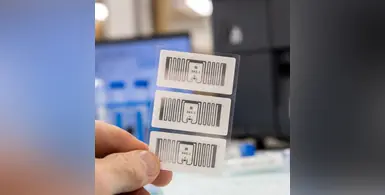
Brady Corporation has introduced the new i7500 RFID label printer, a device designed to eliminate consumable waste and streamline on-premise RFID encoding.

Parker Hannifin, a Fortune 250 global leader specialising in motion and control technologies, has announced the launch of its new Viking Xtreme ISO valve series.

The Professional Triathletes Organisation (PTO) has officially announced a strategic partnership with logistics giant DHL.
When elite athletes push the boundaries of human endurance across multiple continents, an equally formidable feat of stamina is occurring entirely behind the scenes.
The global movement of sporting infrastructure is a complex operation that demands absolute precision. Ensuring that fragile bicycles, elite broadcasting gear, medical supplies, and sprawling race infrastructure arrive without a hitch is the invisible engine powering international competition.
The Professional Triathletes Organisation (PTO) has officially announced a strategic partnership with logistics giant DHL. This agreement appoints DHL Global Event Logistics as the Official Logistics Partner for the highly anticipated final three events of the 2026 T100 Triathlon World Tour, set to take place across the Gulf Cooperation Council (GCC) region.
The GCC has rapidly transformed into a global epicentre for elite sporting events, demanding world-class operational frameworks. The climax of the 2026 T100 season is poised to highlight this regional capability, with three crucial stops bringing the nine-part world tour to a spectacular conclusion.
The Middle Eastern leg of the championship calendar is structured as follows:
-
Dubai, UAE: 13-15 November 2026.
-
Saudi Arabia: 27 November 2026.
-
Qatar (World Championship Finals): 10-12 December 2026.
The intricacies of global event logistics
Triathlon is inherently an equipment-intensive discipline. Accommodating the rigorous requirements of elite swimming, cycling, and running means that the volume and fragility of the cargo are immense. Moving a massive international sporting event between three different countries in under a month is a formidable undertaking. It involves bespoke solutions tailored to the specific customs regulations, transport infrastructure, and operational nuances of each host market.
DHL’s remit encompasses the deployment of integrated international freight solutions. This includes handling both inbound and outbound freight movements, managing the seamless transition of race equipment, and overseeing all associated event materials. The logistics programme will rigorously prioritise advanced planning, customs compliance, operational coordination, and freight visibility to guarantee time-critical delivery.
Speaking on the logistical demands of the tour, Sue Donoghue, DHL Global Forwarding KSA CEO, said: “We are extremely proud that DHL Global Event Logistics has been appointed the Official Logistics Partner for the Professional Triathletes Organisation and the T100 Triathlon World Tour across its three GCC events in 2026. Delivering major international sporting events requires detailed planning, customs expertise, operational precision and full visibility at every stage of the logistics journey. This is where our team brings real value – helping to ensure that critical equipment and event materials arrive safely, on time and exactly where they need to be.”
A global footprint reaching its zenith
Before the tour arrives in the Middle East, the competition will have already traversed a gruelling, multi-continent schedule. The 2026 T100 Triathlon World Tour commenced on the Gold Coast (21-22 March), followed by major stops in Singapore (25-26 April), Spain (23-24 May), San Francisco (6-7 June), and Vancouver (15-16 August). Following an upcoming stop on the French Riviera (19-20 September), the athletes and the logistical caravan will direct their focus toward the Gulf.
Such an expansive geographic footprint underscores exactly why securing a globally integrated supply chain partner is paramount.
Expanding on the significance of the region, Donoghue added: “With Dubai, Saudi Arabia and Qatar hosting the final stages of the 2026 T100 season, this partnership gives us an exciting opportunity to demonstrate DHL’s specialist event logistics capabilities across three of the region’s most important sporting markets.”
Strategic alignment for future growth
For the Professional Triathletes Organisation, safeguarding the competitive integrity of the tour means ensuring athletes have what they need, precisely when they need it. The collaboration with a market leader ensures that the logistical complexities of operating in multiple Middle Eastern jurisdictions will not compromise the delivery of the sporting spectacle.
Responding, PTO Chief Commercial Officer Stuart Ramsey, said: “We are delighted to welcome DHL as a partner for our 2026 GCC events. Delivering world-class international sporting events across multiple countries requires experienced partners who understand the complexity, deadlines and operational standards involved.”
By addressing the unique transport and customs requirements of Dubai, Saudi Arabia, and Qatar, this partnership establishes a robust operational baseline for the sport's continued expansion.
Ramsey concluded: “DHL brings an exceptional global network together with significant experience in international event logistics, and we look forward to working together across Dubai, Saudi Arabia and Qatar as we continue to grow the T100 Triathlon World Tour.”

The session was chaired by H.E. Mohammed Ibrahim Al Raisi, Director of Ports and Border Points Affairs at the Sharjah Ports, Customs and Free Zones Authority, and Chairman of the Committee.

Global trade disruptions are reshaping supply chains, but the UAE’s industrial sector is capitalising on the shift with record investments.

Most Read
-

FAMCO supports MAR with Volvo machines, boosting marine and civil construction across Middle East and Africa. (Image source: Volvo CE)
-

Trains will travel at speeds of up to 200 km/hr. (Image source: WAM)
-

DEWA is constructing 49 new 132 kV substations and two 400 kV substations. (Image source: DEWA)
-

The event brought together more than 200 attendees. (Image source: DEWALT)
-

With its robust capabilities in the 30 MT category, the MH3032 is set to become a preferred choice in the material handling sector. (Image source: Caterpillar)
-

Protium designs, develops, finances, owns, and operates green hydrogen systems. (Image source: AVEVA)
-

The project aims to modernise the utility’s transmission network
-

The HX 70e uses a 400-volt lithium-ion battery from Kreisel, offering a capacity of 63 kWh. (Image source: HAMM)
-

SMS group to modernise automation at cold rolling mill. (Image source: SMS)
-

NMDC Energy continues to experience strong growth. (Image source: NMDC Energy)
- Details
-

Amsterdam and Copenhagen are developing PEDs. (Image source: Exergio)
-

This hydrogen will be converted into green ammonia. (Image source: ACWA Power)
-

The 20 units are all IVECO T-Way tractors. (Image source: IVECO)
-

This marks AMEA Power’s first desalination project in North Africa. (Image source: AMEA Power)
-

The group also reported a 21% YoY increase in cement and clinker sales, reaching 1.613 million tonnes. (Image source: EMSTEEL)
Latest News
-

Cisco, a global technology leader driving innovation in AI-powered digital infrastructure, has announced plans to build sovereign AI infrastructure in Qatar.
-

Dubai Chambers has launched the "Chamber AI Hub", marking a significant milestone as the world’s first chamber-led Agentic AI marketplace.
-
Go Energy Group, operating through its parent organisation Go Energy USA Corporation, has formalised a strategic alliance with Clean Energy Co.
-
Infinity Power and HAU Energy have successfully secured a debt financing package of up to US$566mn.
-
acp systems AG will showcase these advancements at Electronica in hall A2, booth 112, in Munich from 10 to 13 November 2026.
-
Sdeira Group, a subsidiary of AD Ports Group, has officially unveiled the comprehensive masterplan for the Aryam Community – KEZAD Al Mamourah.
-

Dell Technologies today released findings from its Modern Enterprise Readiness Study 2026, conducted with independent research firm Vanson Bourne.
-

Huda Al Hashimi attends a session during the AMGFL 2026.
-

According to a global study conducted by Censuswide across 850 C-level and senior utility leaders, the industry is recalibrating its capital deployment towards grid resilience, network reliability, and customer affordability.
-
The project was inaugurated under the patronage and in the presence of Mr. Fırat Gorgel, Mayor of Kahramanmaraş Metropolitan Municipality.
-

Nextgen has officially relocated its global headquarters to the UAE, positioning the business at the heart of one of the world’s fastest-growing markets for enterprise AI adoption.
-
Dubai Municipality has officially issued the Planning and Building Requirements Guide for Shared Housing and Permitted Areas.
-
Brady Corporation has introduced the new i7500 RFID label printer, a device designed to eliminate consumable waste and streamline on-premise RFID encoding.
-

Kingdom Konsult of Qatar and The Biofuel Company of Saudi Arabia have joined forces to officially bring B100 biofuel to the Qatari market.
-

The United Arab Emirates has taken a monumental leap forward in its technological evolution with the official launch of a strategic digital infrastructure project designed to expand international connectivity to more than 500 terabits per second (Tbps) by 2030.
More Articles
Cisco, a global technology leader driving innovation in AI-powered digital infrastructure, has announced plans to build sovereign AI infrastructure in Qatar.
Dubai Chambers has launched the "Chamber AI Hub", marking a significant milestone as the world’s first chamber-led Agentic AI marketplace.
acp systems AG will showcase these advancements at Electronica in hall A2, booth 112, in Munich from 10 to 13 November 2026.
Dell Technologies today released findings from its Modern Enterprise Readiness Study 2026, conducted with independent research firm Vanson Bourne.
Huda Al Hashimi attends a session during the AMGFL 2026.
According to a global study conducted by Censuswide across 850 C-level and senior utility leaders, the industry is recalibrating its capital deployment towards grid resilience, network reliability, and customer affordability.
Nextgen has officially relocated its global headquarters to the UAE, positioning the business at the heart of one of the world’s fastest-growing markets for enterprise AI adoption.
The United Arab Emirates has taken a monumental leap forward in its technological evolution with the official launch of a strategic digital infrastructure project designed to expand international connectivity to more than 500 terabits per second (Tbps) by 2030.

Dubai Municipality has officially joined the Digital Twin Consortium (DTC).

ASUS is set to showcase its latest AI-enabled commercial solutions at the upcoming AI Everything Abu Dhabi event, ensuring that the main announcement takes centre stage right away.

Core42 has signed a strategic collaboration agreement with the Technology Innovation Institute (TII), the dedicated applied research arm of Abu Dhabi's Advanced Technology Research Council (ATRC).

SAS, working alongside research analysts from IDC, recently published the second annual Data and AI Impact Report: The New Economics of Trust to explore this phenomenon.